

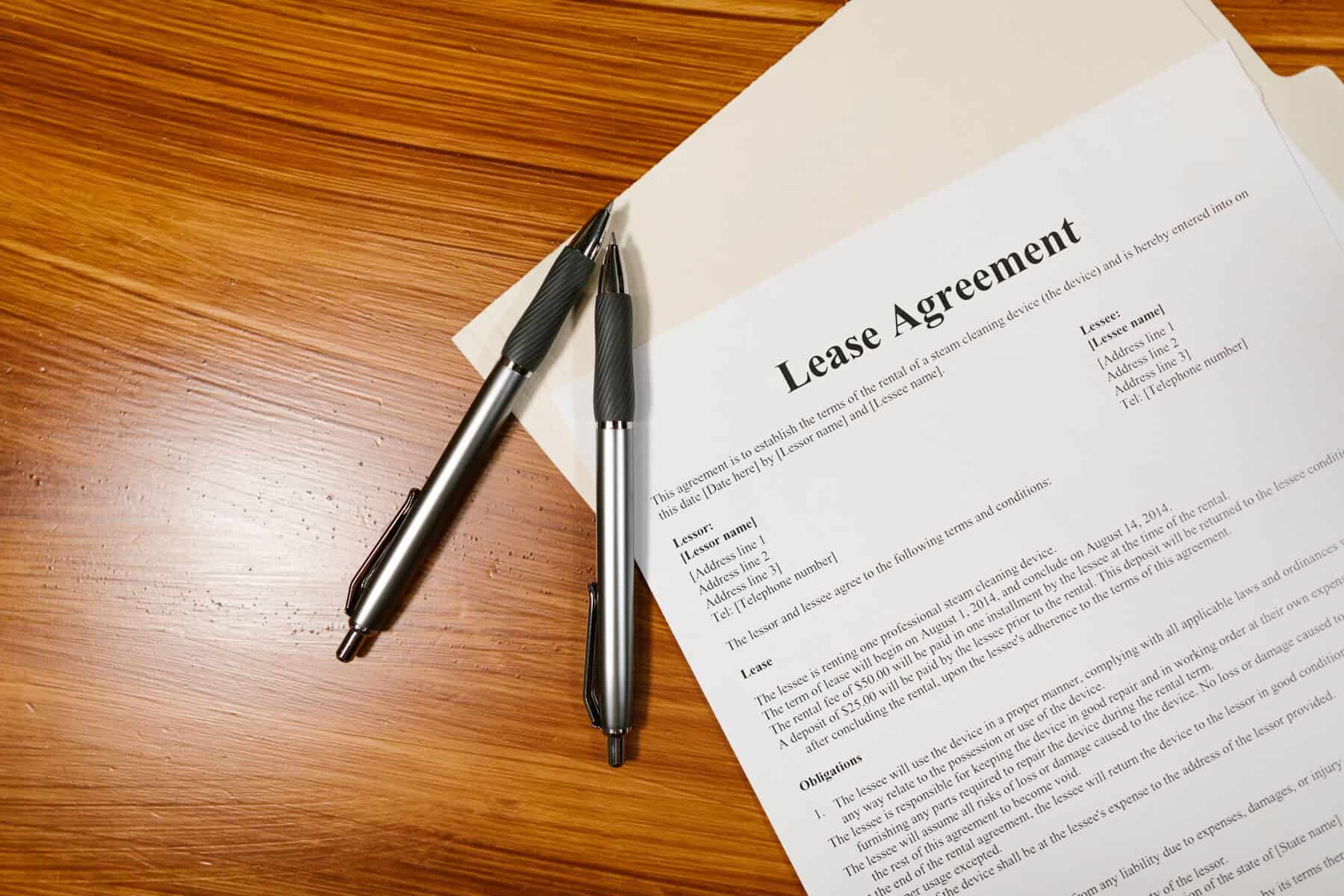
Imagine finding what feels like the ultimate rental deal – spacious rooms, great natural light, and a price surprisingly below market rate – only to sign on the dotted line and realize you’ve walked into a financial trap or a scam. Renting a new home should feel like an exciting fresh start, but moving into a place without carefully scrutinizing the lease agreement can turn a dream apartment into a costly headache.
Whether you’re eyeing a high-rise apartment in Austin, TX or touring cozy homes in Tampa, FL, spotting lease red flags early can save you thousands of dollars, endless frustration, and a last-minute scramble for housing. While every rental market operates a bit differently, learning to spot suspicious listings, predatory clauses, and landlord warning signs will keep your move smooth and secure.
1. The listing looks too good to be true
In a competitive housing market, finding an incredible deal can feel like winning the lottery. However, an unrealistically low price tag is often the first warning sign of a scam. Scammers often clone legitimate properties and post them on open platforms to lure in eager renters.
“Renters should beware of fraudulent listings. A common scam is to take photographs from legitimate sites and create duplicate listings on free sites, often at a very affordable price,” says Paul Rowan, broker/owner of The Key to Rentals.
“The easiest way to protect yourself is to stay away from websites where anyone can post items for sale. Stick to dedicated rental listing sites. Other red flags can be a rental amount that seems lower than it should, or a landlord that is not able to show you the house personally.” Additionally, pay close attention to how the landlord communicates.
Rowan notes that scammers may rely on overly emotional language to manufacture trust and lower a renter’s guard. While a warm tone isn’t necessarily a warning sign on its own, unusually personal or emotionally charged communication can be cause for caution, especially when paired with pressure to act quickly. Professional property managers and landlords generally keep their communication businesslike and focused on the rental transaction.
2. Vague fees, maintenance terms, and hidden costs
One of the most frequent surprises renters face comes in the form of unexpected monthly charges. A contract should explicitly account for every dollar you are expected to pay, from the security deposit to recurring utility obligations.
“Before signing a lease, carefully review all fees, deposits, renewal and termination terms, late-payment charges, and restrictive clauses,” advises Janaka Perera, principal broker at Perch Properties.
“Make sure the lease clearly identifies who is responsible for repairs, utilities, yard or pool care, and appliance maintenance. Watch for vague language or provisions that could create unexpected costs, and always ask for clarification in writing before signing.”
If a section seems ambiguous – for instance, stating that the tenant is responsible for “general maintenance” without defining what that entails – ask for explicit details. If a landlord hesitates to clarify who pays for a broken water heater or roof leak, take it as a major warning sign.
3. The property isn’t move-in ready
It’s common to tour a rental while minor touch-ups are being finished. However, if a home requires major repairs and the landlord promises to fix them after you move in, proceed with extreme caution.
Most standard rental agreements include an “as-is” clause. Once you sign that document, you legally accept the property in its current state, regardless of any verbal promises made during the walkthrough.
- Never rely on verbal assurances: If the landlord promises to install new carpets, fix appliances, or repaint, make sure those promises are written directly into the lease agreement with firm deadlines.
- Inspect before signing: Test faucets, inspect windows, check light switches, and take photos of existing damage during your initial walk-through.
- Beware of promised fixes: Accepting a property with an extensive to-do list requires a level of trust that can leave you with no leverage if the work is never completed.
>> Read: Move-In Checklist: A Guide for Landlords and Tenants
4. The lease agreement is unusually long or sloppy
While lease length varies depending on local laws and property types, extreme document lengths or messy paperwork should raise immediate concerns.
A standard residential lease generally spans between 2 to 10 pages. If a landlord hands you a 50-page document packed with hyper-restrictive rules, they may turn out to be overly demanding or micromanaging throughout your tenancy.
On the flip side, an overly casual or altered document is equally problematic. Avoid signing photocopied contracts with handwritten markouts, crossed-out clauses, incorrect addresses, or wrong legal names. A legitimate landlord will provide a clean, professionally drafted contract tailored specifically to the transaction.
5. Unlicensed property managers or evasive landlords
Before committing to a contract, take a moment to research who you are renting from. Transparency is essential when entering into a binding financial contract.
In many states, property managers are legally required to hold a real estate broker’s license or work directly under one. You can easily verify a property manager’s credentials through your state’s real estate licensing board online. If an agent or manager refuses to provide their license number or business details, it’s a clear signal to look elsewhere.
Similarly, if a landlord insists on completing the entire process online without a video tour or in-person meeting, or demands cash transfers before you’ve viewed the interior, step away immediately.
Essential checklist before you sign
To ensure you are protected from common rental traps, run through this quick checklist before handing over a deposit.
- Verify the listing: Ensure the property is listed on an established, reputable platform like Redfin.
- Research the owner/manager: Check state licensing websites to confirm property management credentials.
- Read every clause: Review fee structures, repair responsibilities, security deposit terms, and notice periods for moving out.
- Document condition: Take detailed, time-stamped photos and videos of the entire unit during your pre-move-in walkthrough.
- Get everything in writing: Never rely on verbal promises for repairs, rent grace periods, or pet approvals.
Protect your next move
Spotting critical lease red flags before you sign gives you the upper hand in your search, protecting your wallet and your peace of mind. Taking extra time to review clauses, verify property management credentials, and get promises in writing ensures your new rental genuinely feels like home.
Ready to find a rental you can trust? Explore thousands of verified apartments, condos, and single-family rental listings on Redfin today, or connect with a local expert to help guide your search.