

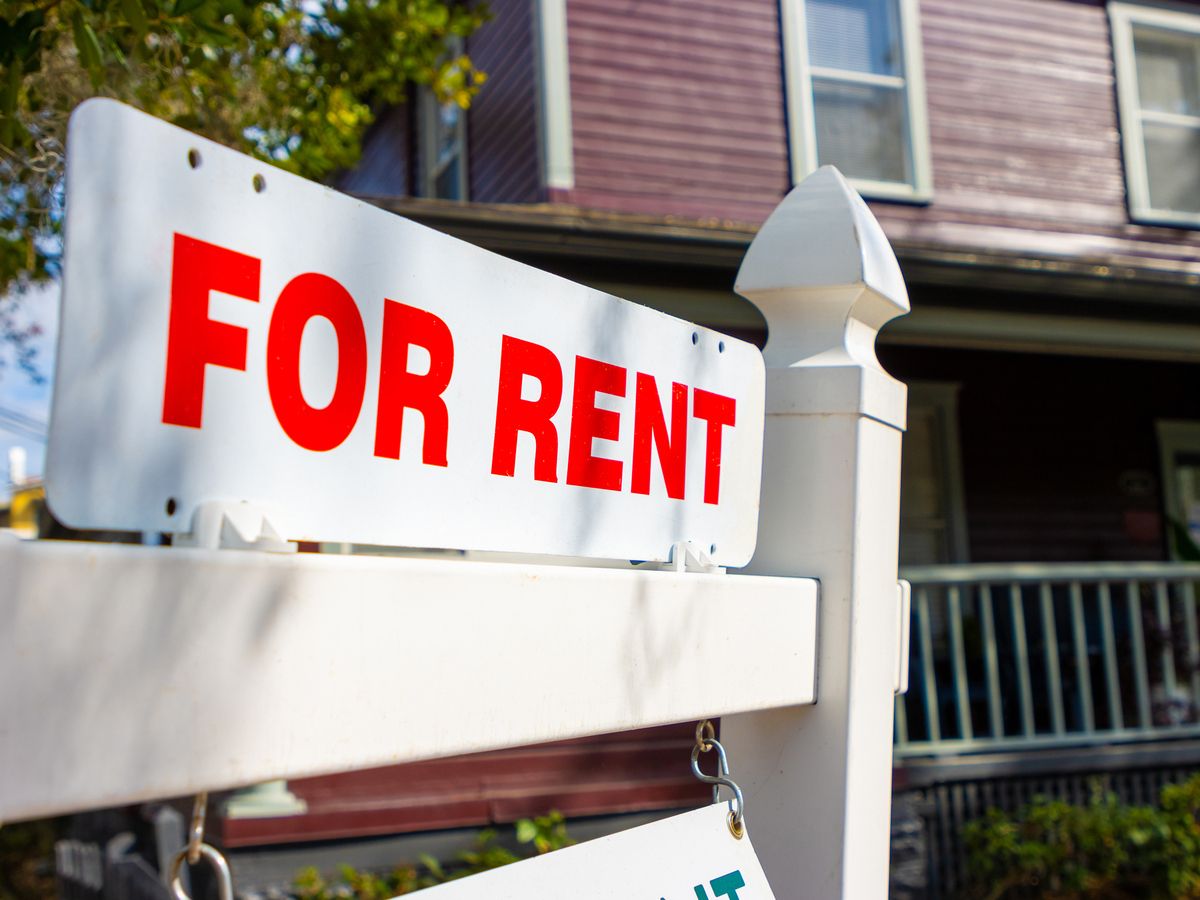
While the national rent average has gone down year-over-year, the lower payments are not enough to alleviate the burden of rising costs for Canadians, according to a report by Canadian rental risk intelligence platform SingleKey.
The report said rent prices have eased across Vancouver and Toronto by six per cent and five per cent, respectively, from the prior year. Nationally, rent is down by 2.1 per cent to an average of $2,051 per month.
This decline, however, is not enough to help with affordability where income hasn’t kept pace.
“As rent prices have gone down in the past year, you’d expect that this would have solved the financial pressure for renters, but rent price is only half of the equation,” said SingleKey chief executive Viler Lika.
The rental report said income growth has become the determining factor for affordability across Canada’s rental market , especially in secondary markets where income declines diminished any anticipated cost savings for renters.
In places like Barrie, Ont., Medicine Hat, Alta., Greater Sudbury, Ont., Winnipeg and Kelowna, B.C., renters contribute more income to rent than the national average of 28.1 per cent. This is in addition to notable income declines ranging from six to 21.5 per cent, it said.
“In Barrie and Winnipeg, we’re seeing firsthand that if income doesn’t hold up, cheaper rent doesn’t make a large enough impact to improve the financial health of renters,” said Lika.
For its report, SingleKey, which processes over 300,000 applications each year, analyzed thousands of rental applications across Canada between April 1 to June 30, to determine the average Canadian renter profile, affordability gaps and financial risk signals.
It found that major Canadian cities have seen larger declines in rent prices. In Winnipeg, rent prices are down 8.9 per cent to an average of $1,572, while in Montreal, it’s down 8.8 per cent to average rent of $1,545.
As a result of these declines, major cities felt the relief, with renters spending less than 28.1 per cent of their income on rent, despite being more expensive markets, the report said.
Winnipeg was an exception, with renters paying close to 30 per cent of their income on monthly rental payments compared to other large cities.
SingleKey said this is partly because renters in larger cities report higher incomes.
It said the national average household income is $113,970, while personal income averages $72,950. This then varies across cities. In Vancouver, the household income is $154,162, Toronto’s slightly lower at $149,607 and Calgary’s at $120,566, whereas Winnipeg renters earn $78,607, the lowest of Canada’s major cities.
The Government of Canada recommends that housing costs not surpass 35 per cent to ensure renters can continue to save and allocate income toward other payments.
“At first glance, the softening rental prices and increased vacancies should signal stronger rental applications. However, other factors, like rising collections, are making homeowners and property managers hesitant to accept tenants,” the report said.